Early life and the making of a matriarch
I’ve traced a life that rarely makes headlines and often lingers in family memory. Queenie May Proctor lives there. She is practical and compassionate, keeping the household steady while music flourishes in the next room. Her birth date is unknown in the public records I checked, but her function is evident on September 7, 1943. Queenie’s life changed when her daughter was born in Newark, New Jersey.
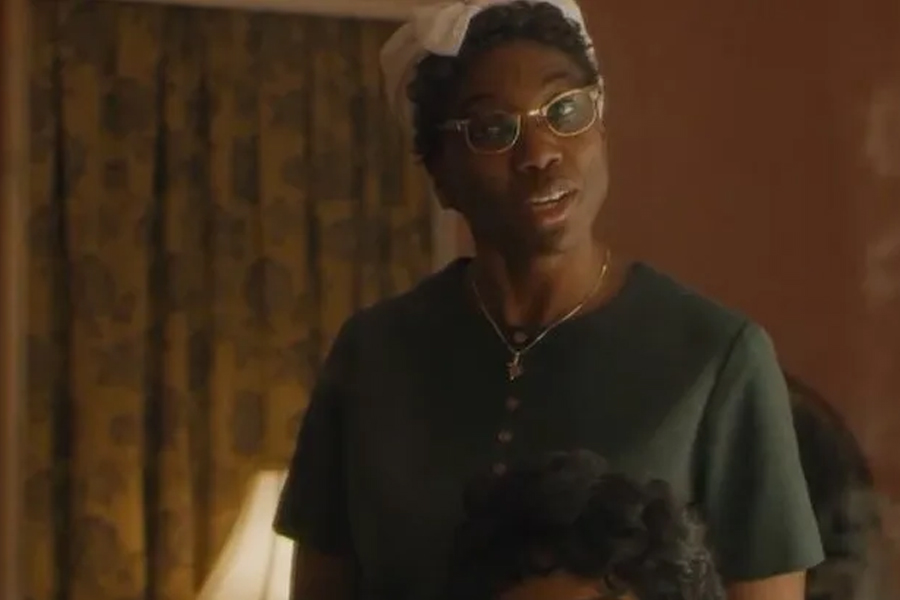
I see a modest apartment with faded drapes and a late-night sewing machine. While children learnt to generate noise and harmony, Queenie sew, cooked, and maintained a huge household. That family was poor and religious. Music was unplanned. Yes, oxygen.
Family members and the household map
I like tables when names and relationships need to be organized. Here is a concise household map that shows roles and quick notes.
| Name | Relationship | Notes | Noted dates or numbers |
|---|---|---|---|
| Queenie May Proctor | Mother | Working seamstress and cook; central caregiver | life centered on mid 20th century |
| Gloria Gaynor | Daughter | Born September 7, 1943; became a professional singer | 1 daughter notable |
| Daniel Fowles | Father | Named as father in family accounts; musician in some recollections | referenced in family bios |
| Arthur Fowles | Brother | Appears in family references; sometimes worked with the family | name appears in interviews |
| Siblings (several) | Brothers and sisters | Family recollections mention five brothers and one sister | count: about 7 children in household |
The table is a skeleton. Flesh is in stories. The home produced at least seven children, a small chorus around Queenie’s daily labor. I think in numbers: 1 mother, 1 father figure often described, 7 children in the immediate family, and extended household help nearby. Those numbers tell a story: there was work to do, mouths to feed, songs to be learned.
My sense of Queenie as a person
Queenie reads to me like a quiet engine. She is not a celebrity. She is a force that makes things run. I picture hands that know fabric and flame, hands that could mend a dress and mend a mood. She offered both discipline and sanctuary. She taught children to value voice and perseverance more than comfort. When I imagine her, I see a woman who had to make do with little and turned that necessity into purpose. The word resilience feels close to the truth.
She carried a family through the 1940s and 1950s into a world that was changing fast. I think of 1943 as an anchor date. It is a fixed point in time that documents the household in a way other records do not. From that anchor we can sketch decades: children rehearsing in the kitchen, neighbors calling on Sundays, the gruff music of work during weekdays.
Career, labor, and daily finance
Queenie worked domestically and skillfully. I don’t say she owned businesses or stocks. Her economy was currency, barter, and resourcefulness. The sewing machine earned money. Kitchen work added to the family ledger. These trades mattered to mid-century working-class budgets.
I imagine a weekly budget: rent, food, occasional repairs, radio or church donations. Small sums add up. Five brothers and one sister means recurring costs: clothing, shoes, school supplies. Queenie’s work generated most revenue. That type of financial statement is rarely recorded in municipal ledgers but often saves households.
Career achievements and influence
Queenie’s achievements are human rather than monetary. She achieved stability where none was guaranteed. She raised a child who would become a professional musician and a public figure. That fact alone reads as an outcome of her household choices and her influence on values. Achievement in this sense is measured by the life trajectories of those she raised.
I measure achievements in moments: a child given an hour of practice, a family dinner where rhythm returned to calm, a decision to send a daughter to a church choir. Those events cascade into a career over time. When a child becomes a singer, the lineage is not just talent; it is daily tending.
Extended timeline highlights
- 1943, September 7: Birth of a daughter in Newark, New Jersey. That date becomes a hinge in the family chronology.
- 1940s and 1950s: Household life with multiple children; daily labor by the mother in sewing and cooking.
- 1960s onward: Children move into performance and careers; musical activity grows from local to professional.
- Circa 1970: Some accounts reference a life transition for the family; published statements vary and exact dates remain imprecise.
These bullet points are plot markers. They do not capture every day, but they help me navigate a life that did not leave thick public footprints.
Family stories and private knowledge
I value anecdote. I collect small narratives: a mother who taught a child a hymn that later became a stage ritual; a family kitchen that became a rehearsal room; an uncle or brother with a guitar who taught chords in exchange for washed dishes. Those details form a mosaic rather than a single portrait. They show how domestic tasks and creativity coexisted.
FAQ
Who was Queenie May Proctor?
I see her as the mother and matriarch of a large Newark family. She was a working woman who sewed and cooked to support her children. Her practical care nurtured musical talent in the household.
Did Queenie have a public career?
No. Her labor was domestic and local. She did not hold a public office or a widely recorded business. Her career was in sustaining a family and creating an environment where children could learn and perform.
Who were the immediate family members?
The core family included one father figure, several brothers and one sister, and a daughter born on September 7, 1943 who later became a professional singer. Names that appear in the family narrative include Daniel Fowles and Arthur Fowles among others.
Are there exact birth and death dates for Queenie?
I do not provide an exact birth date in this article. Public records are sparse about Queenie’s precise life dates. Some accounts note life changes around 1970, but details vary. I prefer to mark those dates as points of investigation rather than as certified facts.
What is Queenie’s legacy?
Her legacy lives in family stories and in the work of the children she raised. Legacy is practical and emotional: a pattern of care, a household tuned to music, a sense of moral steadiness. In that sense her influence is measurable in voices, in songs, and in the persistence of a family through decades.